La Tapatía · 1951 Mead Street
Our story
It started with a candy counter, a welding job at the foundry, and a woman selling homemade tacos to the neighborhood kids for a quarter apiece.
Family owned · Racine, Wisconsin | A restaurant and a grocery under one roof
How it actually began.
A welder who bought
a candy shop
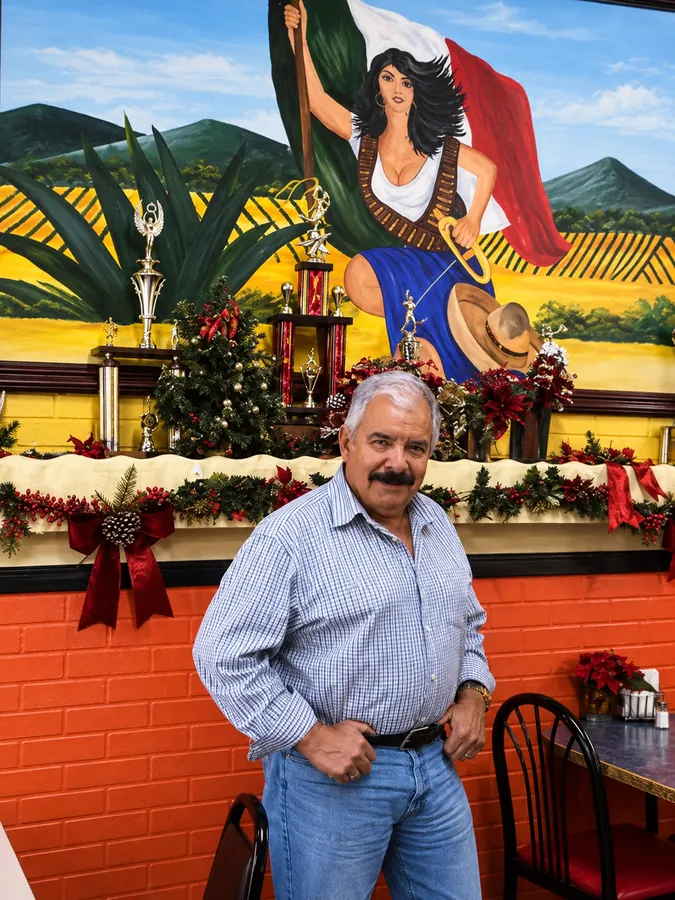
Lauro Davalos came to Racine and went to work as a welder at the foundry off Memorial Drive: Belle City Malleable, later Racine Steel Castings. He stayed eighteen and a half years.
Somewhere in those years he saved enough to buy a little candy and soda shop. A year later he added groceries. Then his wife started making tacos at home and selling them to the neighborhood children for a quarter apiece.
Those tacos got around town. By the time the foundry finally went under and the welding job ended with it, the little store had grown into something that could carry the whole family.
That store is this store.
Still the same operation.
Run by the family, every day
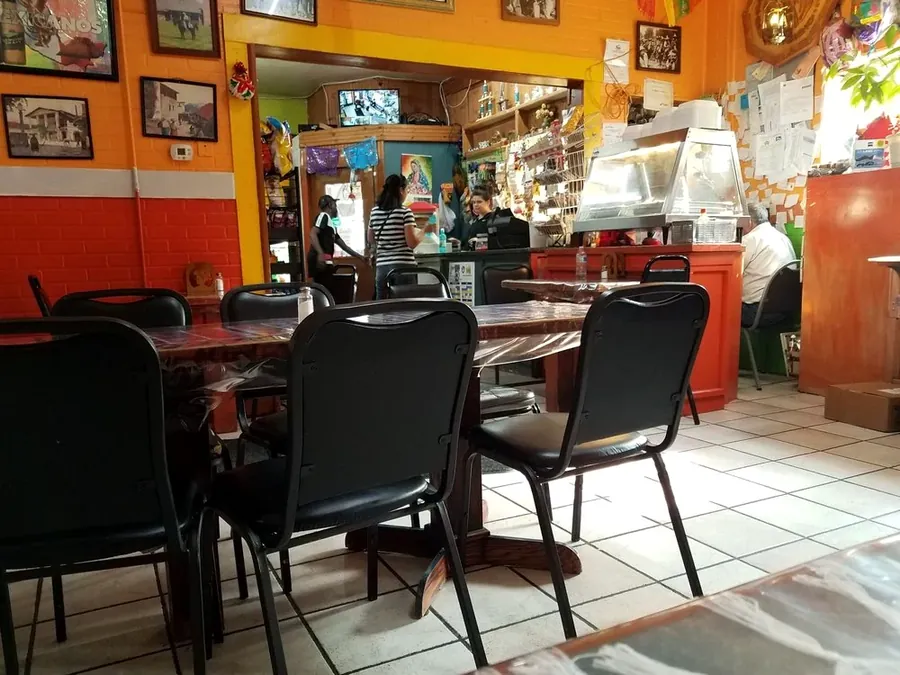
Two counters, one roof, one family. The kitchen on one side, the grocery aisles through the archway on the other, and the same people behind both. About ten people work here, and roughly half of them were born in Racine.
The doors open at seven in the morning and they do not close until midnight. Every single day. That is a hundred and nineteen hours a week on one corner.
See the market side
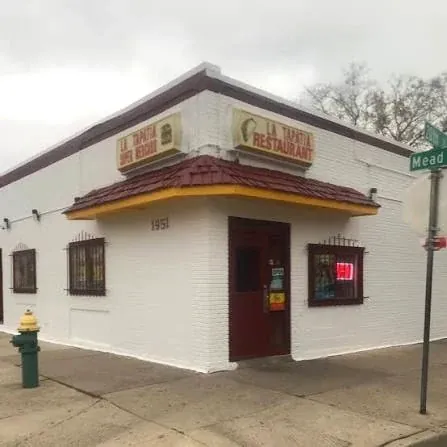
The building itself.
A corner store,
built in 1927
The white brick building on this corner went up in 1927, back when Racine still built its neighborhoods around a store you could walk to. The city still zones this lot exactly that way, in plain words: Neighborhood Convenience.
The ground under it is part of the old Racine College Addition, streets platted from the grounds of Racine College. The college's Gothic buildings are still standing a third of a mile from here, on the bluff people now call the DeKoven Center.
Solid brick, twenty-two hundred square feet, one story, and a door cut into the corner. It was built to be a neighborhood store and it never once stopped being one.
How to find us
Where this corner fits
Mexican Racine
La Tapatía did not appear out of nowhere. Racine has been a landing place for Mexican families for generations, and the reason was always the same one: work nobody else wanted.
The foundry that hired
Belle City Malleable started regularly hiring Black and Latino workers back in the 1940s, because foundry work was the hottest and most dangerous job in a city full of factories. When Wisconsin held minority-hiring hearings in 1964, nineteen Racine employers reported 904 minority workers out of 15,615 jobs. That one foundry held more than four hundred of them. Most of the others had two or three.
The road came through Texas
Most Mexican families did not arrive in Racine straight from Mexico. A study run right here between 1958 and 1965 interviewed 280 Mexican-American residents and found that most of them had lived in Texas first. Racine is where people stopped moving and stayed.
A parish of their own
Hispanic families worshipping at St. Patrick's built their own community through the 1970s and took over the old St. Mary church building in 1983. Cristo Rey stood on its own for three decades. On a Sunday in November 2014, about four hundred people walked a mile back across the Root River to rejoin St. Patrick.
One in four
Racine was 4% Hispanic in 1970 and is over 24% today, and one in five people in this whole city is of Mexican origin. In 1990 Racine County had the highest share of Hispanic residents of any county in Wisconsin, ahead of Milwaukee. The city has shrunk for fifty years; this community is most of what has grown.
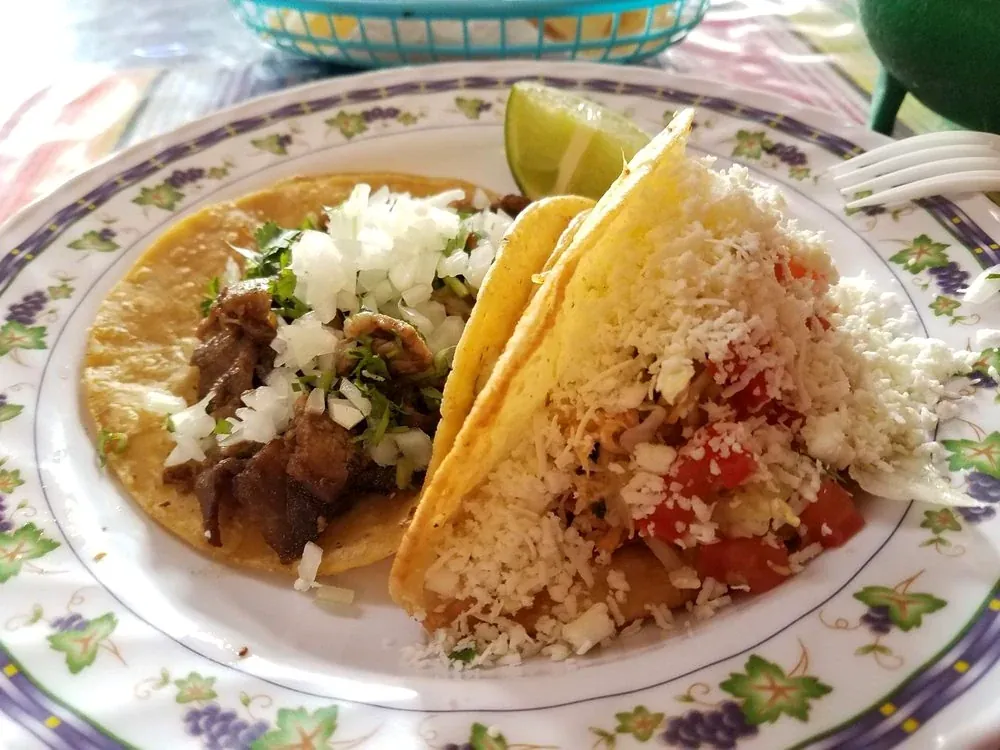
Racine has a taco of its own.
Fried, not folded
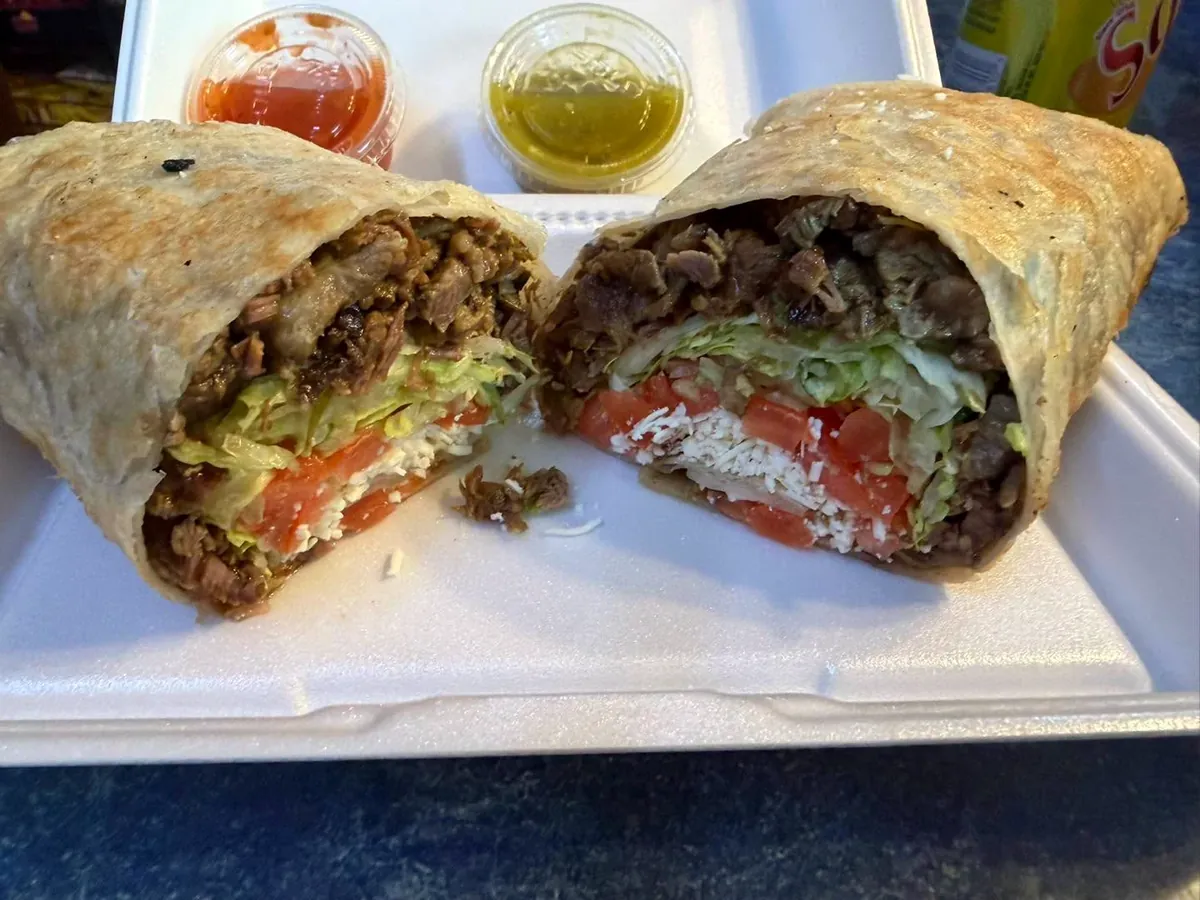
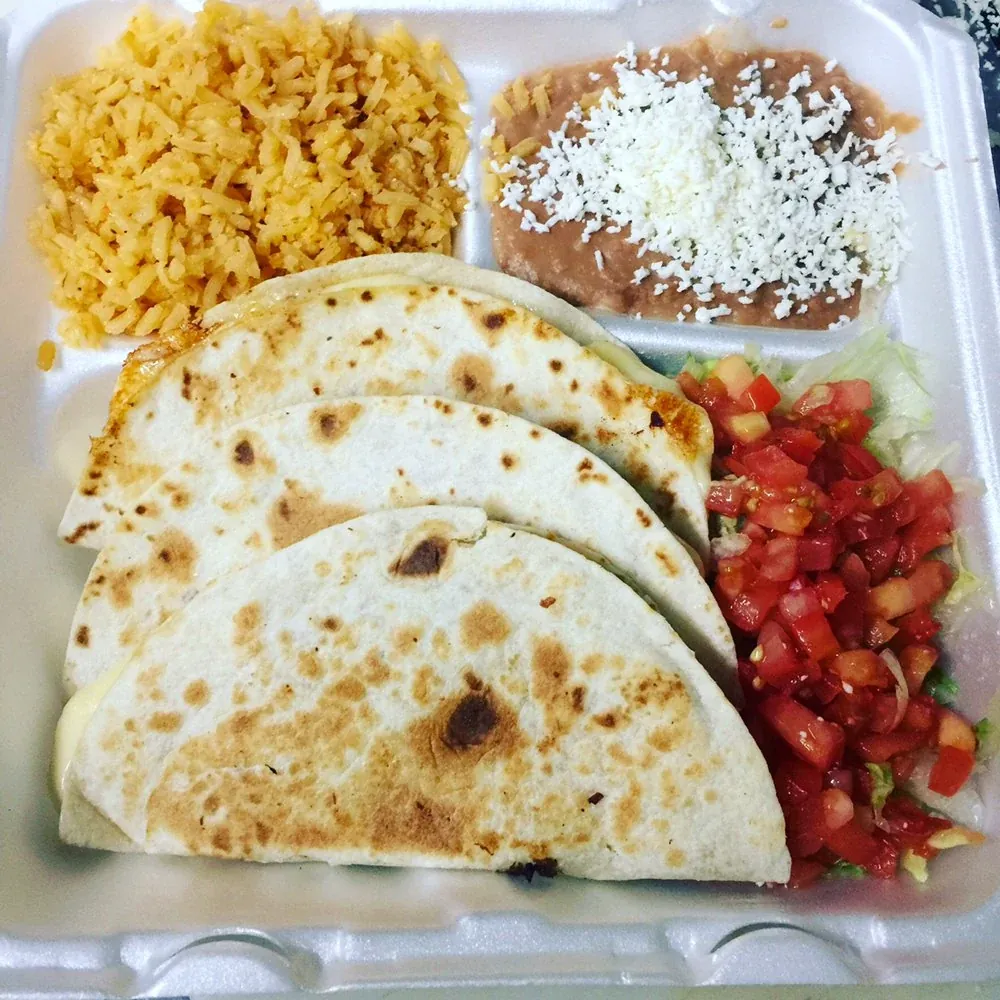
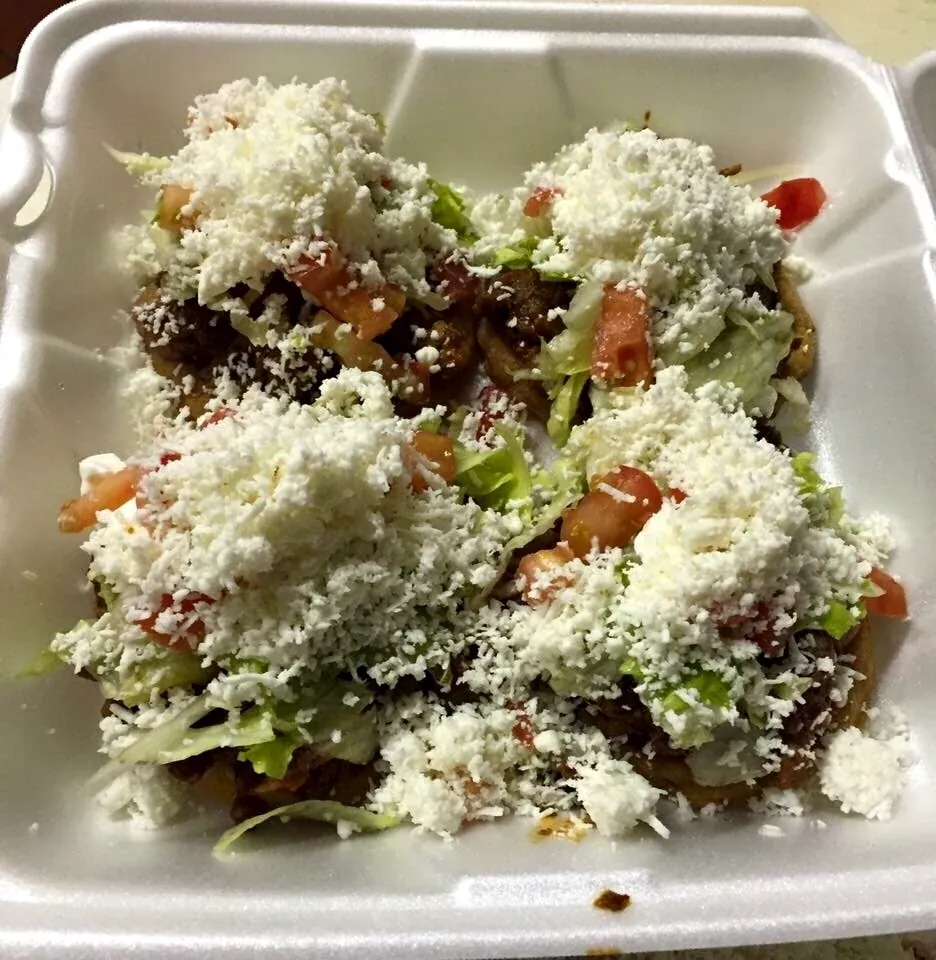
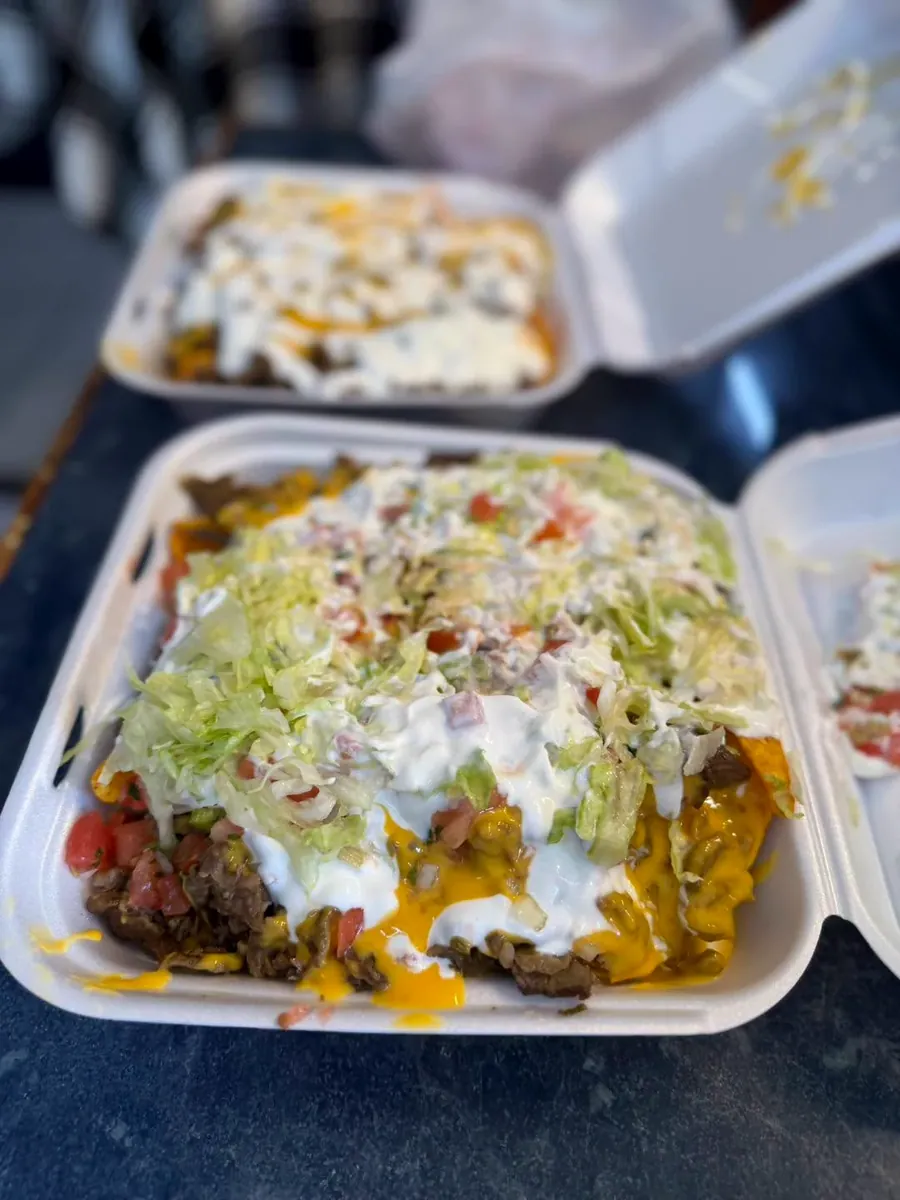
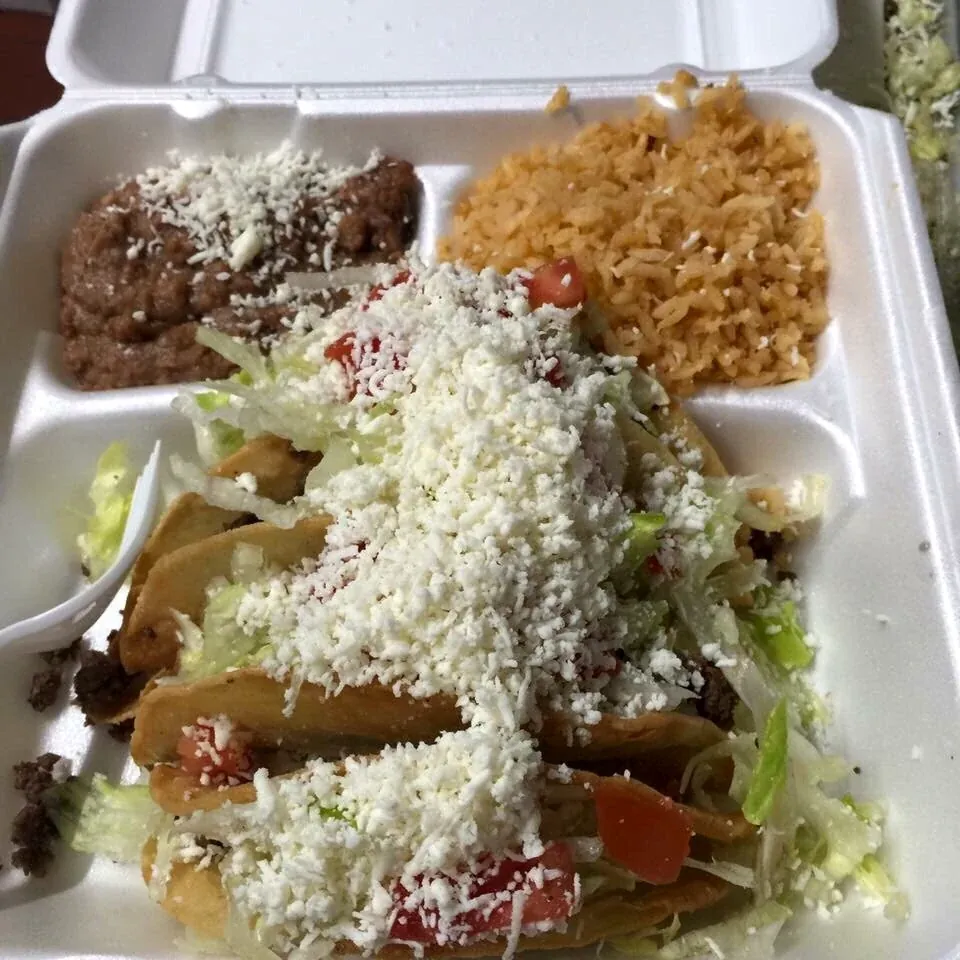
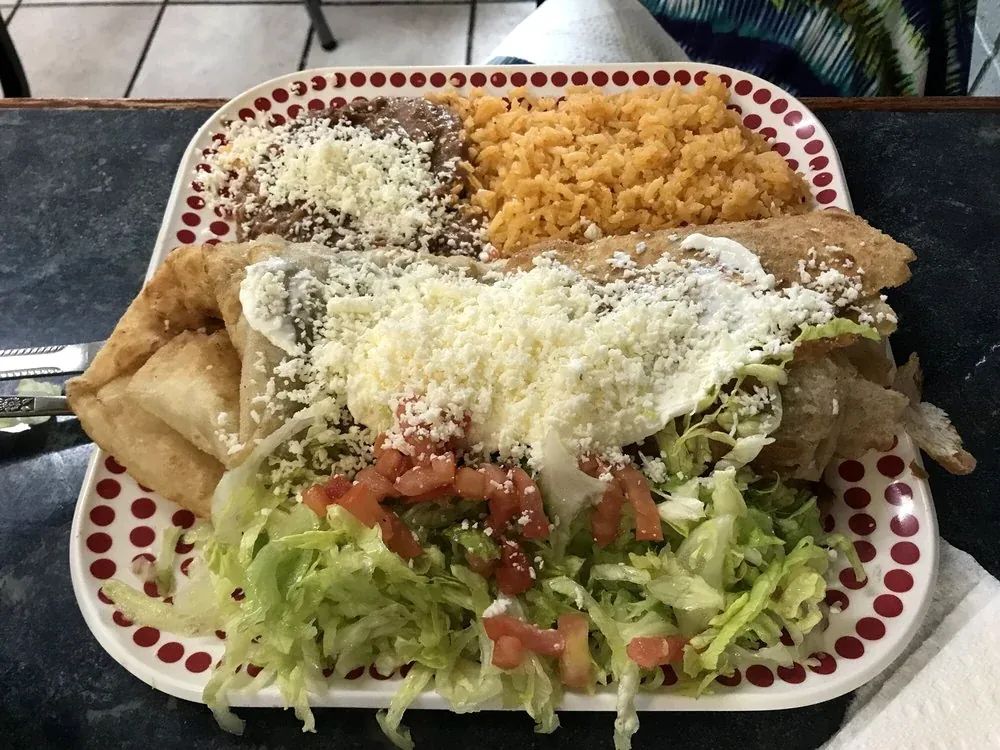
Food writers from out of town call this city Fried Taco Town and Taco Doradoland, and they are not joking. The Racine taco is a taco dorado: a corn tortilla fried to order, crisp, filled after it comes out of the oil. Never a shell out of a box.
In 2016 a Wisconsin food writer put the crispy tacos in this town head to head. La Tapatía won. What decided it was the shells. He had assumed they came from a package because they were so evenly made, then realized they were being fried fresh, one at a time, a few feet away.
In 2020, Journal Times readers voted us one of the ten best Mexican restaurants in Racine County.
See the menu
And the name.
What "La Tapatía" means
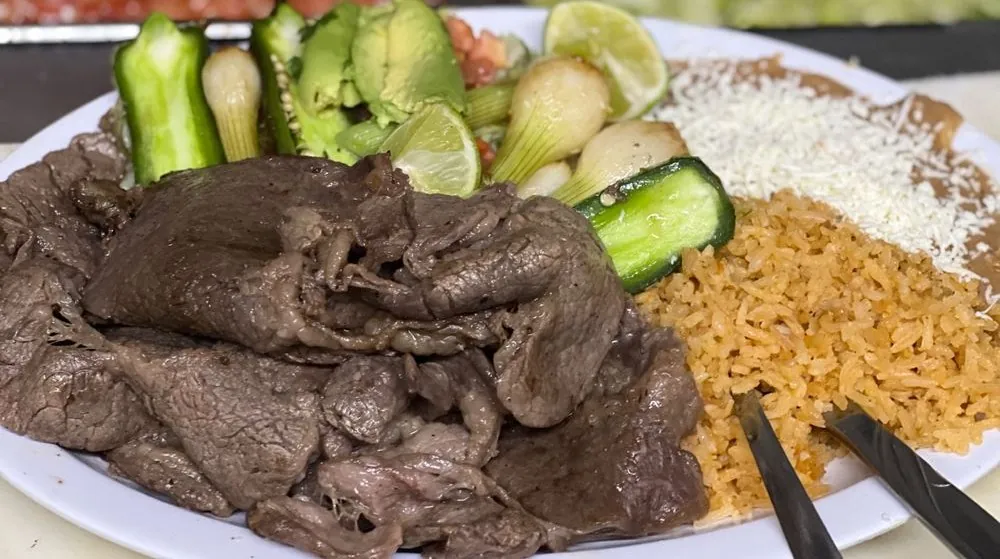
Tapatía is what you call a woman from Guadalajara, in the Mexican state of Jalisco. That is the whole meaning. Not a style and not a brand: a place. Jalisco is where birria comes from, and tortas ahogadas, and carne en su jugo, and mariachi, and tequila.
Where the word itself came from is still argued about. The story most people tell traces it to a Nahuatl word out of the old Guadalajara markets. The Mexican Academy of Language points somewhere else entirely, to an old Jalisco word for the shawl a woman wore over her head, written down as far back as 1532.
Either way the name says the same thing. This food came from somewhere, and somebody carried it here.
Come see for yourself
Two businesses, one door